
Prox is a CMS development company in London offering CMS development services that give your team a central, easy-to-use workspace to create, edit and publish content without writing code. From custom CMS development to headless builds, we shape every system around how your business works.






[CMS Development Company London]
WE BUILD CONTENT MANAGEMENT SYSTEMS AROUND THE WAY YOUR BUSINESS WORKS
Our CMS development services combine technical expertise with practical content workflows to create systems suited to your requirements. Whether you need a tailored CMS for a complex website or a headless solution that delivers content across multiple platforms, we can do that for you.
As a headless CMS development company, we connect your content to websites, apps and other channels through APIs, and as a WordPress development agency in London we customise and extend the platform many UK businesses already use. Not sure which route is right? Our guide to custom website development vs CMS platforms compares the options, and our headless SEO guide explains how to keep a headless website visible in search. CMS development is part of our wider web development agency services.
CMS Development Services Built Around Your Workflow
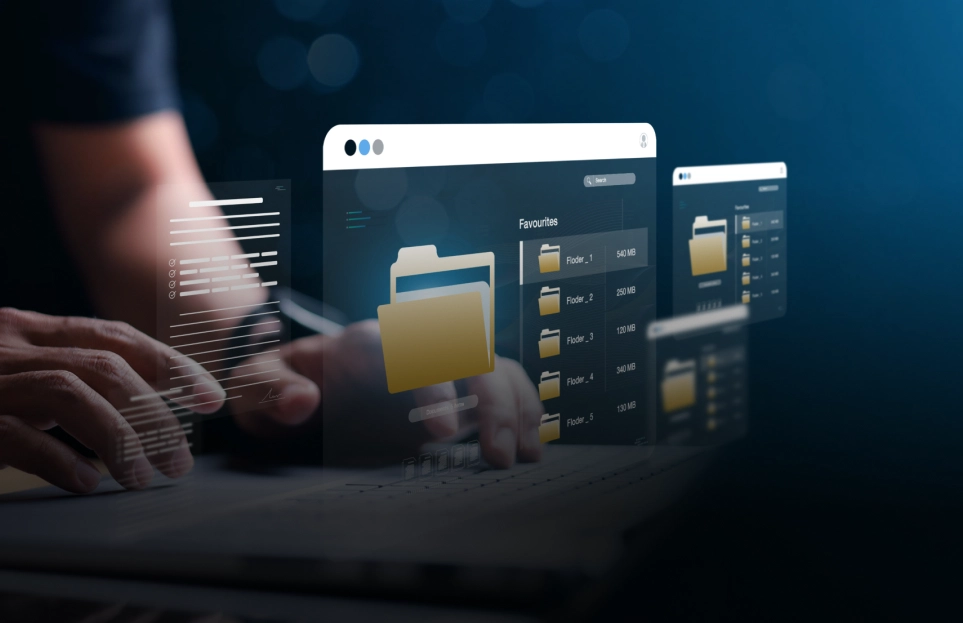
Custom CMS Development
Get a content management system shaped around your business requirements. We develop tailored content structures, editing interfaces, permissions and workflows that help your team manage digital content without unnecessary complexity.
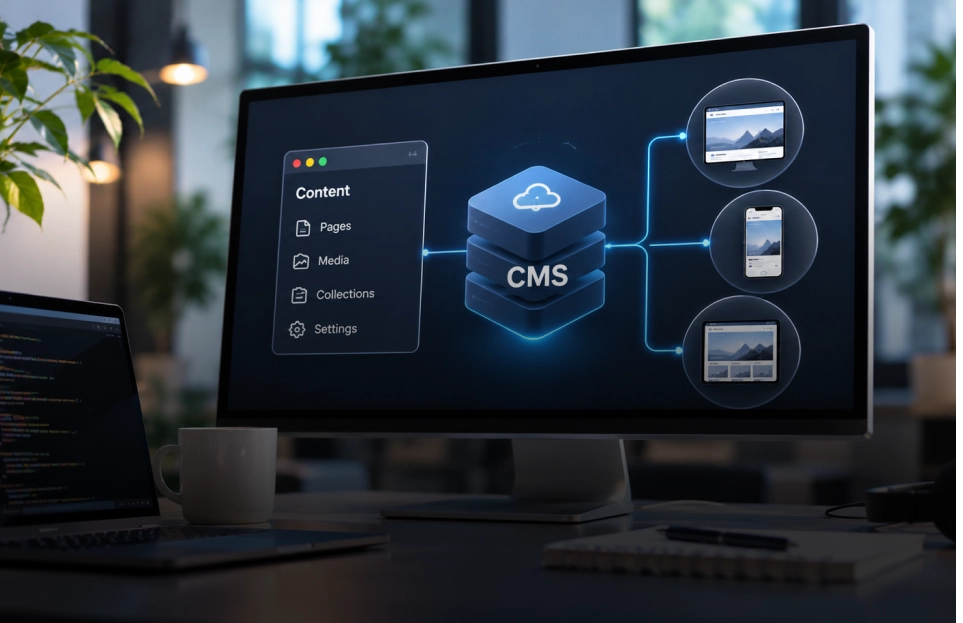
Headless CMS Development
Separate content management from the front-end experience for greater flexibility in how content is delivered. We build headless CMS solutions that connect your content repository to websites, applications and other supported digital channels through APIs.
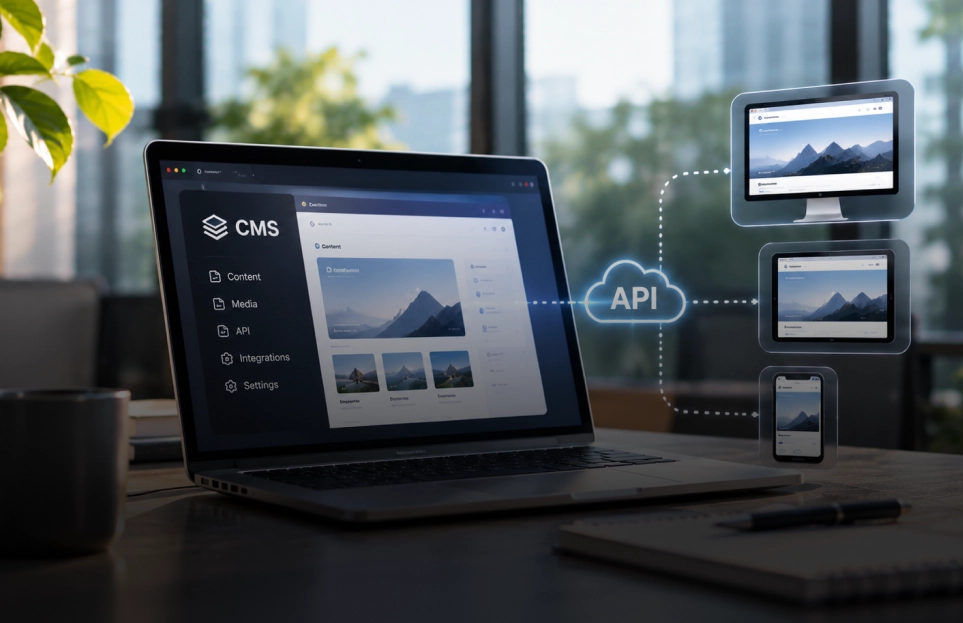
Headless Content Delivery & APIs
Make content easier to manage across a connected digital ecosystem. We help configure content models, delivery APIs and publishing workflows to support consistent content delivery across multiple platforms, depending on your architecture and requirements.

CMS Website Development
Build a website that is as practical to manage as it is to use. We develop CMS-powered websites with structured content, reusable page components and straightforward editing workflows, helping your team keep pages accurate and up to date.

CMS Upgrades and Modernisation
Move away from outdated systems or restrictive content workflows. We assess your current CMS, plan the migration of relevant content and functionality, and help transition your digital presence to a more suitable platform while considering data integrity and SEO requirements.
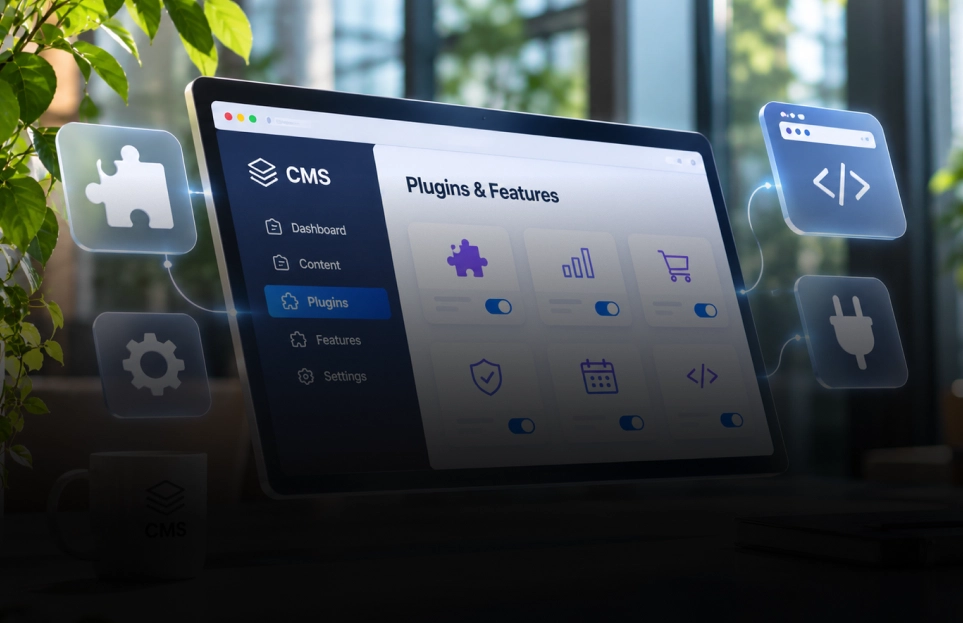
CMS Plugin and Feature Development
Extend your CMS with functionality that supports your specific needs. From custom content fields and publishing features to integrations and workflow improvements, we develop additions that make your content management process more effective.
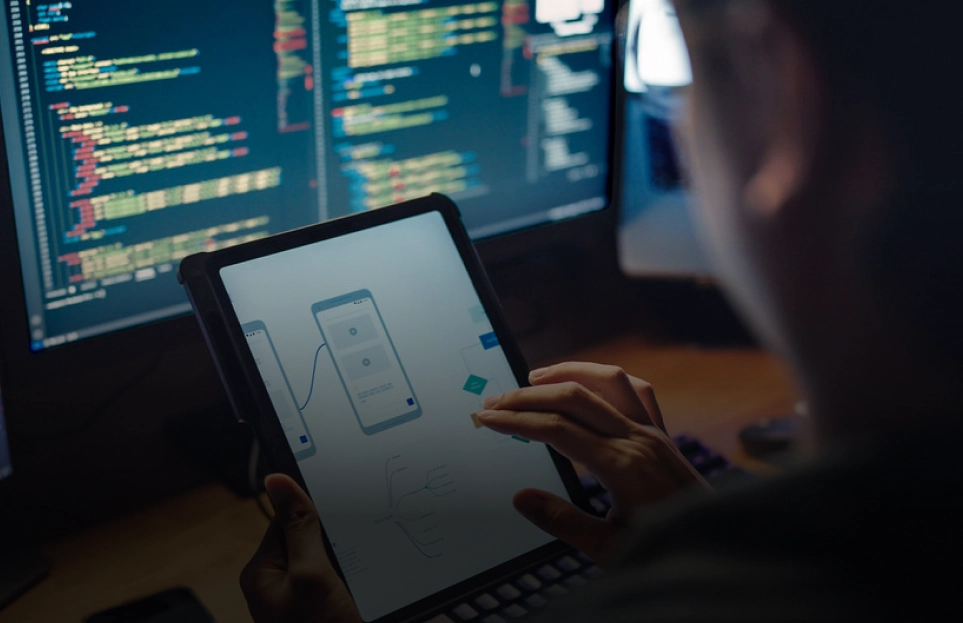
CMS API and Third-Party Integrations
Connect your content management system with the tools and platforms your business relies on. We integrate suitable APIs, marketing platforms and business systems to reduce disconnected workflows and support smoother content distribution.

CMS Maintenance and Optimisation
Keep your content platform reliable as your needs change. We help address technical issues, improve performance, maintain relevant components and refine workflows so your CMS continues to support your team and digital operations.
Proof Beats Promises Every Single Time
Every completed project is a clear testament to our absolute commitment to excellence and our clients' ongoing business success.
Every completed project is a clear testament to our absolute commitment to excellence and our clients' ongoing business success.
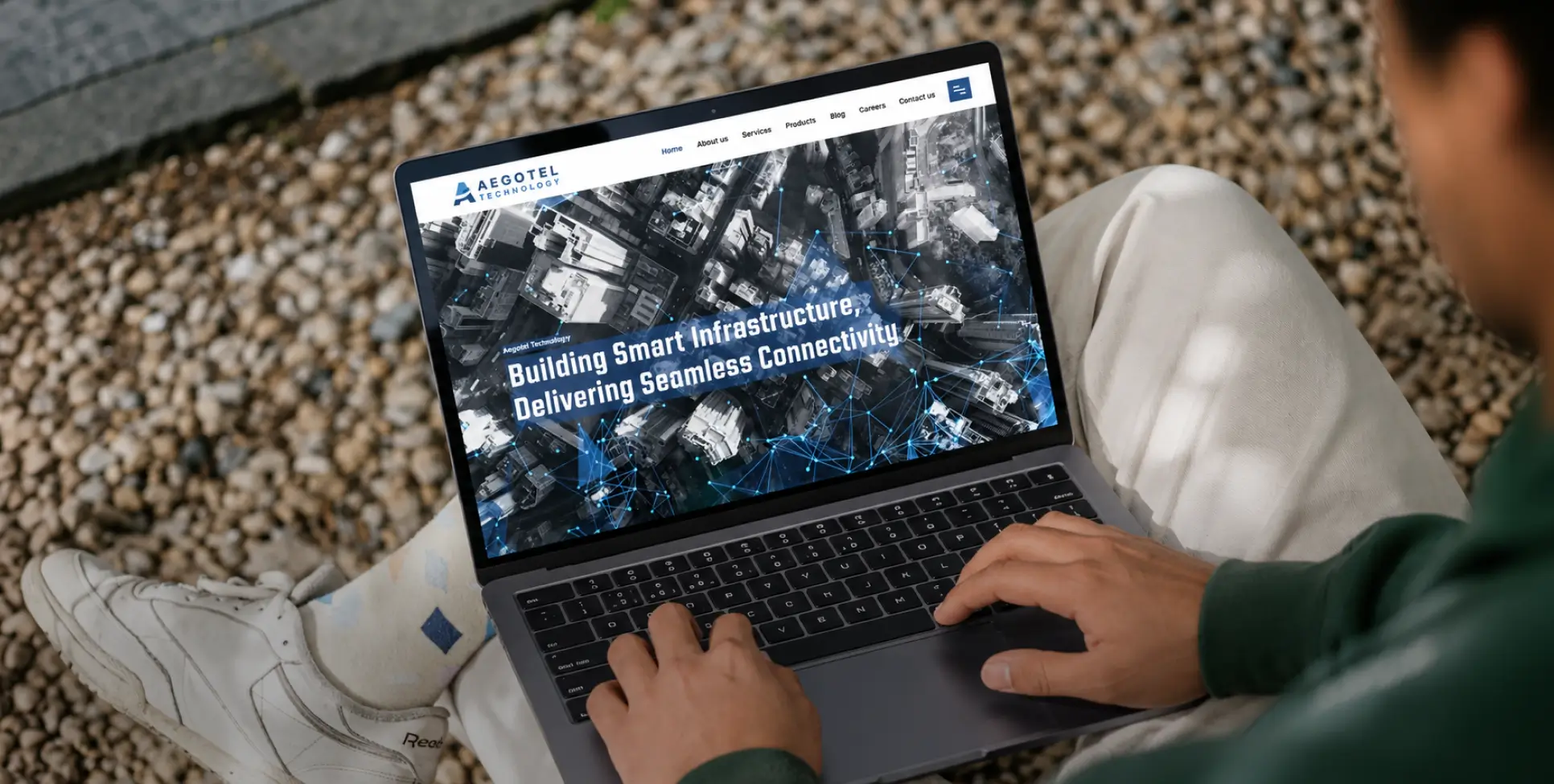

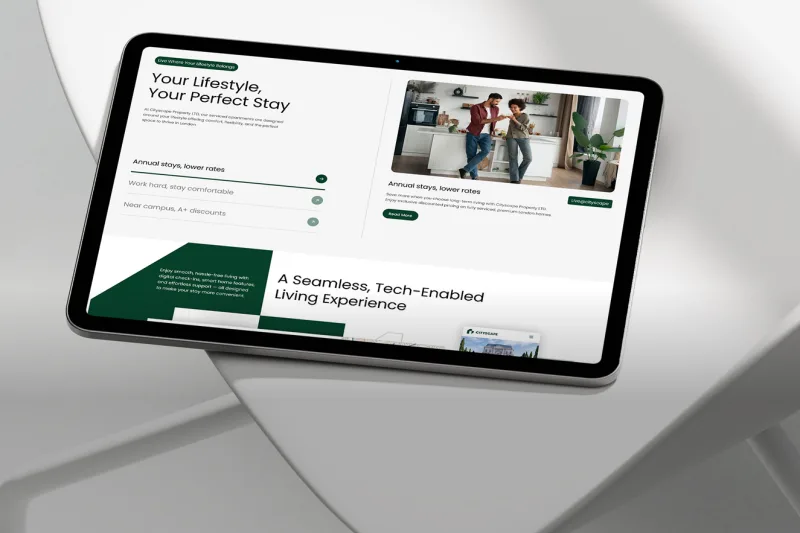

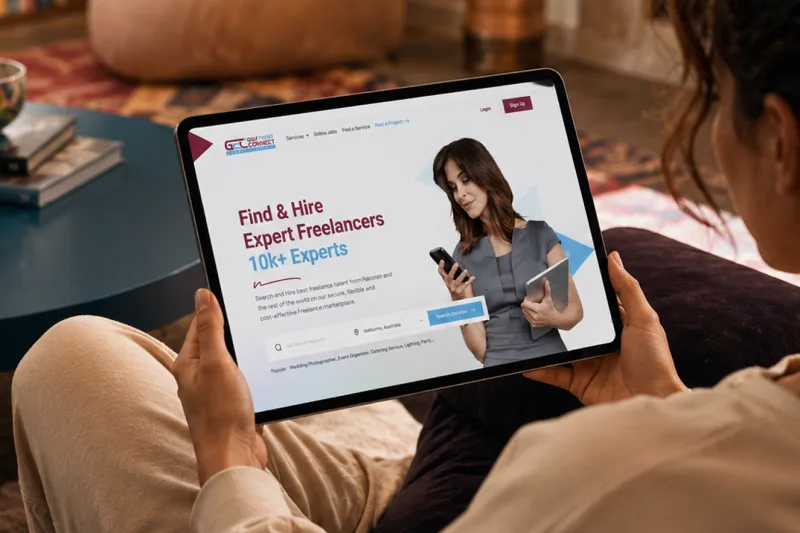
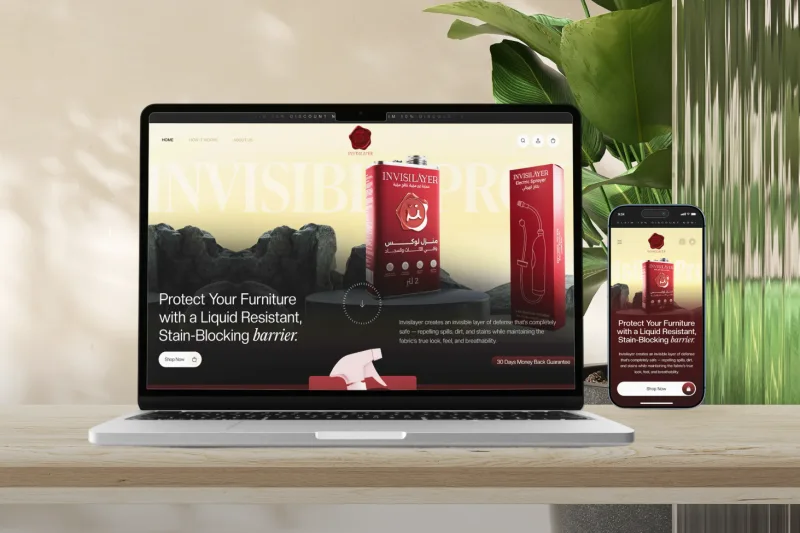
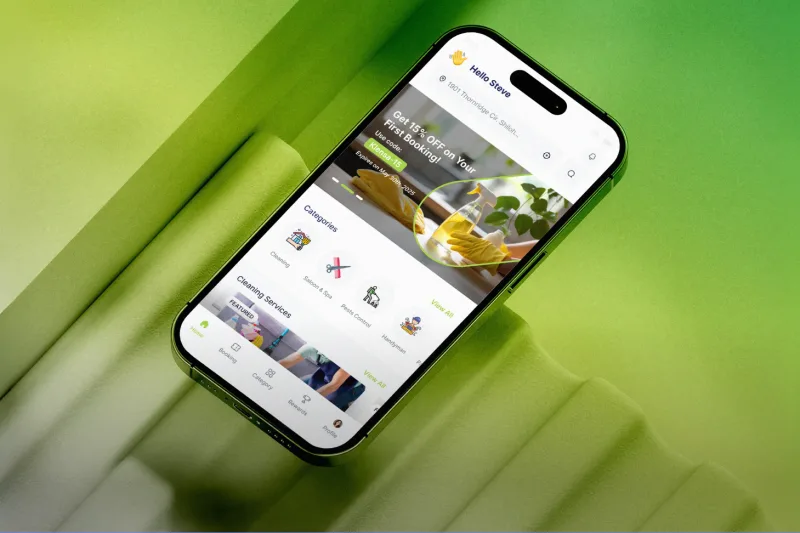
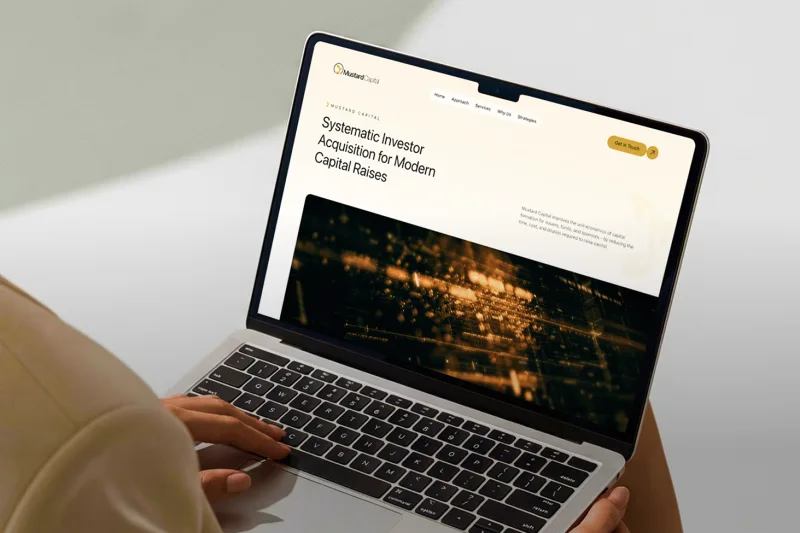


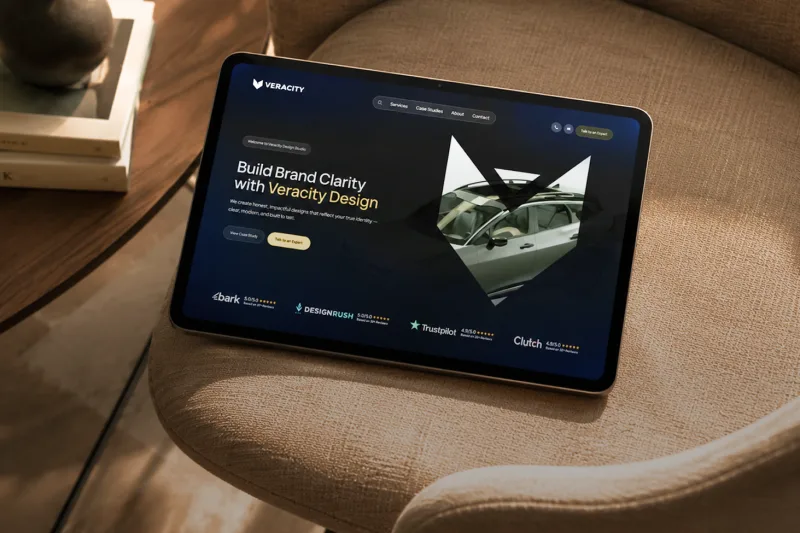
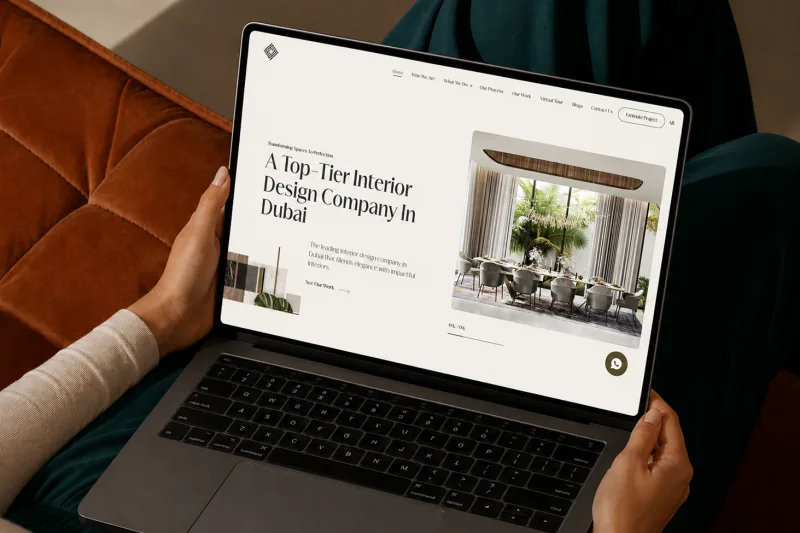
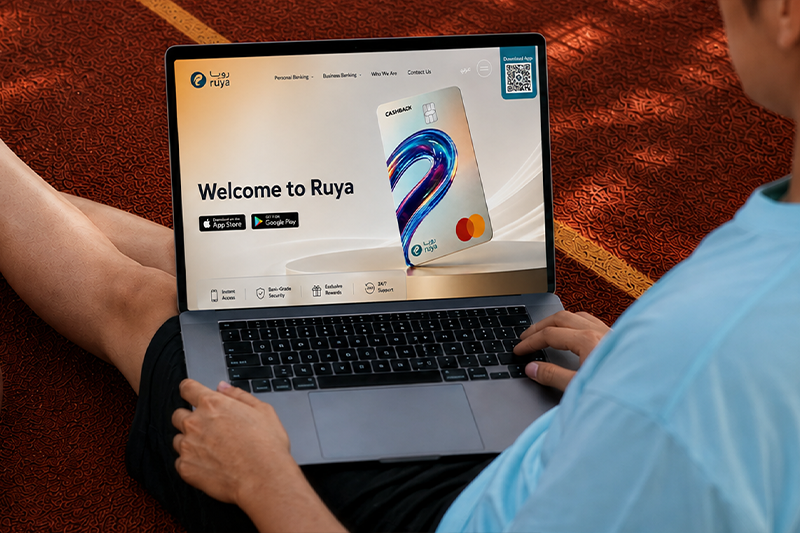
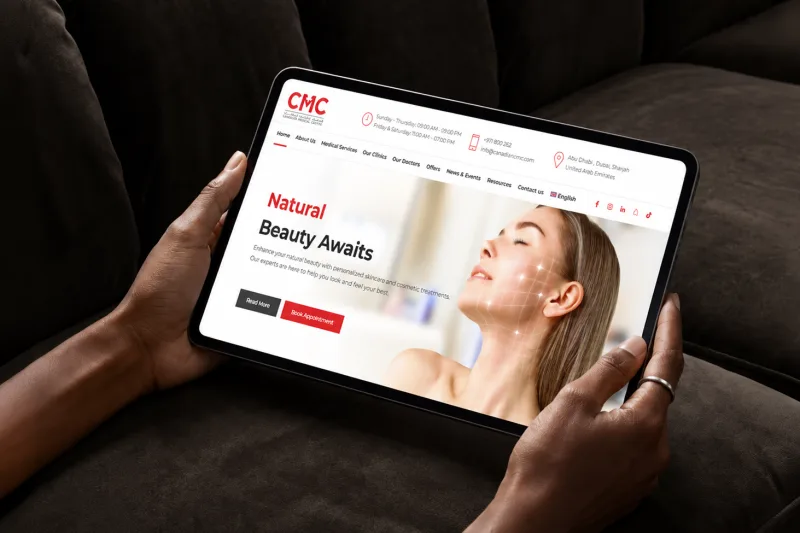


We let our track record do the talking. Discover how Prox Digital
Agency drives transformative growth for global brands.


Better Content Management. More Room To Grow.
Give Your Team More Control
Empower your team to update pages and publish content effortlessly without constantly relying on developers for routine tasks.
Book a Free Strategy Call
Make Publishing More Efficient
Structured editing tools simplify publishing and cut repetitive tasks, letting your team focus on creating valuable content.
Book a Free Strategy Call
Create Consistent Digital Experiences
Reusable components and clear permissions maintain brand consistency across all pages while enabling systematic content management.
Book a Free Strategy Call
Build A Flexible Foundation For Growth
A scalable CMS adapts to complex content, new channels, and evolving workflows as your business expands over time.
Book a Free Strategy Call

Empower your team to update pages and publish content effortlessly without constantly relying on developers for routine tasks.
Structured editing tools simplify publishing and cut repetitive tasks, letting your team focus on creating valuable content.
Reusable components and clear permissions maintain brand consistency across all pages while enabling systematic content management.
A scalable CMS adapts to complex content, new channels, and evolving workflows as your business expands over time.
Proof Beats Promises
Every Single Time
Join The Growth Journey Of 500+ Brands









[Services Map]





Frequently
Asked Questions
We’ve heard it all. Here’s everything you need to know before working with us.

CMS development services involve building, customising, integrating or improving content management systems used to create, organise and publish digital content. Depending on your requirements, this can include custom CMS development, website integration, headless architecture, migration, workflow configuration and ongoing maintenance. Our CMS web development services cover both new builds and improvements to existing platforms.
A CMS development company helps businesses select, build and configure content management systems that fit their digital requirements. This may include technical planning, content modelling, front-end integration, permissions, publishing workflows, third-party integrations, testing and support.
Custom CMS development involves creating or adapting a content management system to match specific business requirements. It can include tailored content types, editing interfaces, user permissions, approval processes and integrations that may not be available in a standard CMS setup.
A headless CMS manages content separately from the front-end presentation layer. Content can be delivered through APIs to supported websites, mobile applications and other digital experiences. This separation can provide flexibility, although the right architecture depends on your team's capabilities, publishing needs and technical requirements.
Headless CMS development services may suit businesses that need to distribute content across multiple channels, support custom front-end experiences or separate content operations from front-end development. A traditional CMS may be more practical when a business prioritises straightforward website management and an integrated editing experience.
A traditional CMS often combines content management with the website's presentation layer. A headless CMS separates content storage and management from the front end, delivering content through APIs. Traditional systems can be easier to manage for standard websites, while headless systems can offer greater flexibility for multi-channel delivery.
The right platform depends on your website, content structure, editing requirements, integrations, technical resources and plans for growth. We assess these factors before recommending a suitable approach, whether that involves an established CMS, a headless platform or custom CMS development. For many UK businesses that means WordPress, a headless platform, or a fully custom CMS.
Yes. As part of a CMS project we model your content, move pages, media and metadata into the new structure and check everything before launch. If the move also involves a new domain, URL changes or a large online store, our website migration services handle the redirect mapping and SEO checks.
Yes, where compatible integration options are available. A CMS can connect with supported CRM platforms, marketing automation tools, analytics systems and other business applications through APIs or existing integrations. The feasibility depends on the systems involved and their technical capabilities.
CMS development costs depend on the platform, level of customisation, content complexity, integrations, user permissions and migration requirements. Configuring an existing CMS will generally involve a different investment from building a custom system or implementing a headless architecture. A clear scope helps establish a realistic estimate. We confirm the scope and price after a free discovery call.
Timelines depend on the complexity of the system, content volume, design requirements, integrations and migration needs. A straightforward CMS implementation may take several weeks, while a complex custom or headless CMS project can take several months. The timeline is confirmed after the requirements have been assessed.
Not automatically. A headless CMS can support SEO, but results depend on how the website is implemented. Rendering, metadata, URL structures, internal linking, page performance, structured data and crawlability all need appropriate attention. A well-configured traditional CMS can also support strong SEO performance.
Many CMS platforms can support multiple websites, languages or regional content variations, although the available features depend on the platform and implementation. We can assess your publishing requirements and recommend an approach for managing content consistently across your digital properties.
Security and reliability depend on the platform, hosting environment, configuration and ongoing maintenance. Appropriate measures can include access controls, regular updates, secure integrations, backups, testing and monitoring. We consider these requirements as part of the wider CMS solution. Ongoing updates, backups and monitoring can be covered by our website maintenance and support services.
Look for an agency that understands content workflows as well as technical implementation. Ask how it evaluates platforms, structures content, manages migrations, handles integrations and supports your team after launch. The right partner should recommend a CMS that fits your actual needs rather than adding complexity without a clear benefit.
Yes. Alongside custom and headless CMS development, we work as a WordPress development agency in London, building custom themes, plugins and integrations, and improving existing WordPress sites for speed, security and easier editing. Where WordPress is the right fit we recommend it, and where it is not, we explain why.
Yes. Headless WordPress keeps the familiar WordPress editor for your team, while a separate front end delivers faster, more flexible experiences across your website, apps and other channels. It suits businesses that want WordPress editing with headless performance and multi-channel content delivery.
[Let’s Talk]
If you’re looking for a global growth agency that understands growth, execution, and accountability, you’re in the right place.