

Prox provides UX prototyping services that turn early concepts into clickable, interactive prototypes your team and users can test before development begins. As a prototyping agency in London, we cover wireframing, app prototyping, website prototypes and software prototyping, so you invest in the build with evidence rather than guesswork.
UX Prototyping Services
in London That Test Your
Big Idea Before You Build





[Prototyping Agency London]
TEST YOUR NEXT BIG IDEA WITH AN INTERACTIVE PROTOTYPING AGENCY
A promising idea needs more than a presentation to prove its value. Our wireframing and prototyping process brings product concepts to life through realistic user flows, interactive screens, and testable experiences that reveal what works before development gets underway.
As a user experience prototyping agency, we combine user-centred thinking, rapid experimentation, and practical design validation to help teams reduce uncertainty and move forward with greater confidence.
Our prototype design services sit between strategy and build: a prototype shows how your product will look and work, but it is not working code. When you are ready for a coded first version, our MVP development team turns the validated prototype into a working MVP, and our app developers and web development team build the final product. Prototyping is part of the wider work of our web design agency in London.
What We Offer In Our UX Prototyping Services
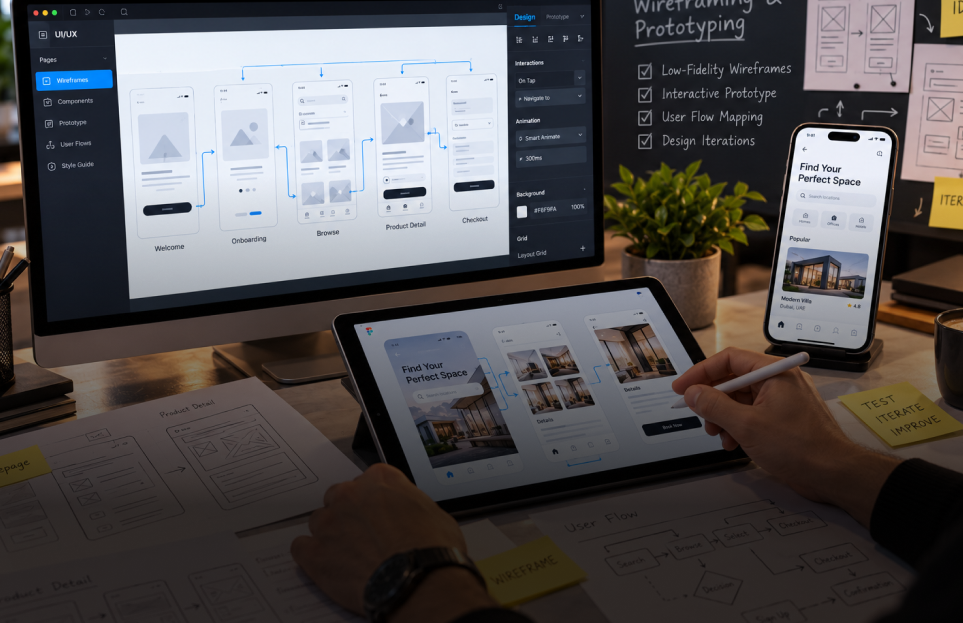
Wireframing & Prototyping
We map out screen layouts, content hierarchy, and user journeys before refining the visual design. Our wireframing and prototyping process helps teams align on product structure early and identify gaps before they become costly development changes.
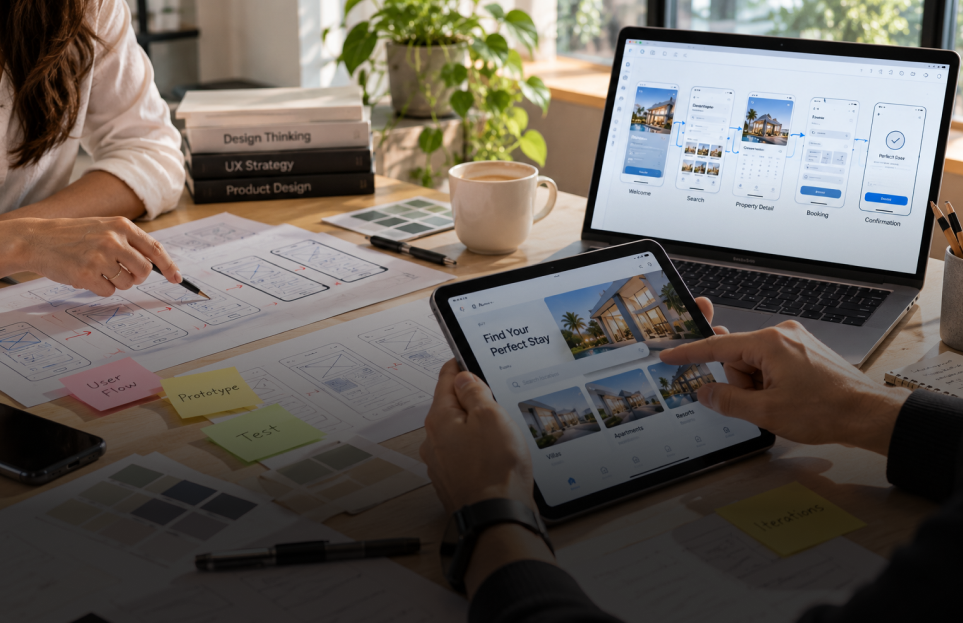
Interactive Prototyping
We create clickable, interactive experiences that demonstrate how users navigate screens, interact with features, and complete key tasks. These prototypes help stakeholders experience the product concept rather than relying on static designs or assumptions.
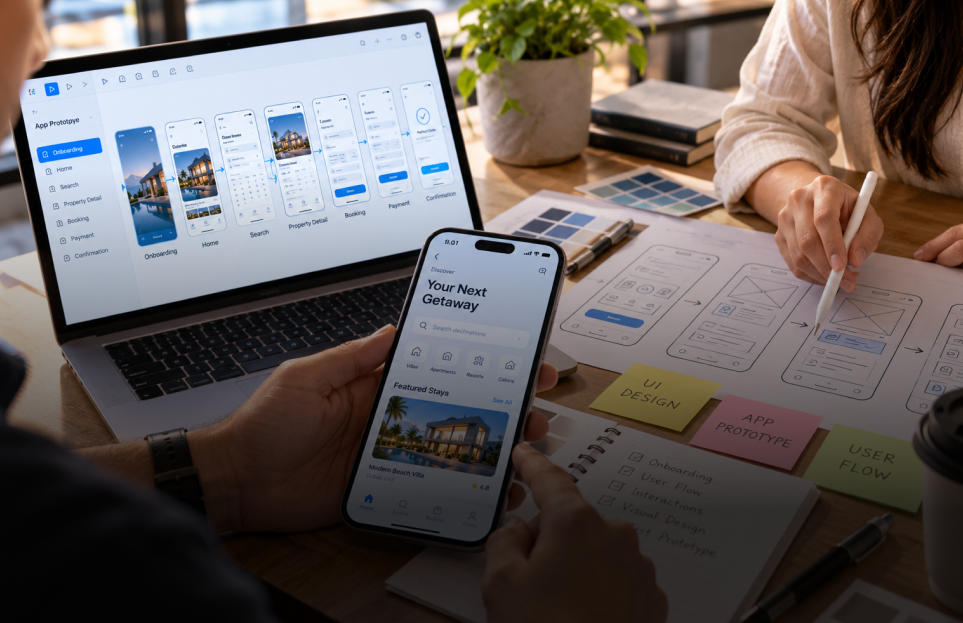
App Prototyping
We turn mobile app concepts into testable experiences, from onboarding flows to core features and navigation. App prototyping helps validate interactions, explore usability, and clarify product requirements before development begins.
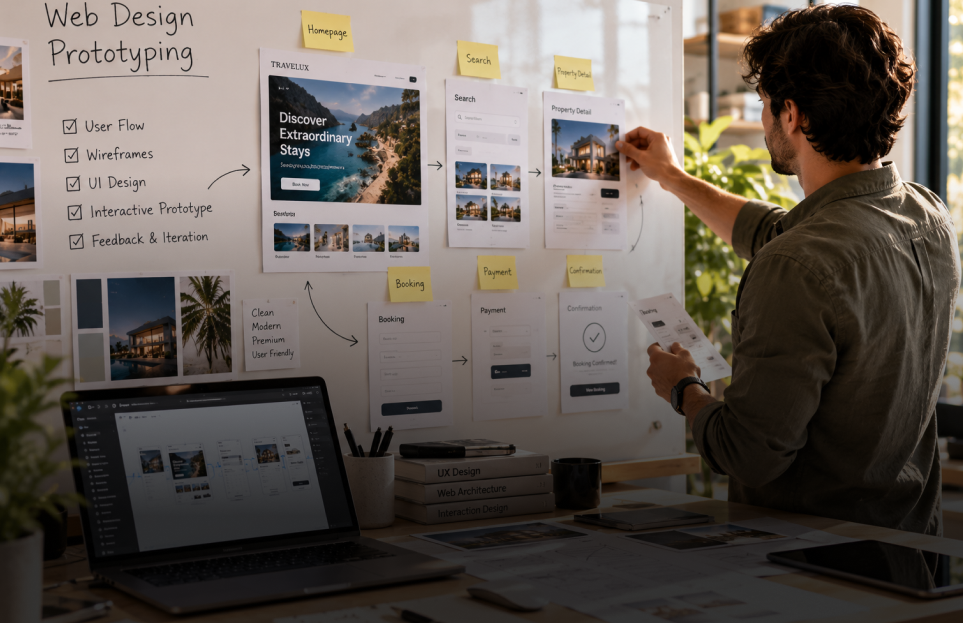
Web Design Prototyping
We build website prototypes that bring page layouts, navigation, calls to action, and interactive elements together. This allows teams to evaluate the intended experience, test key journeys, and refine designs before committing to development.
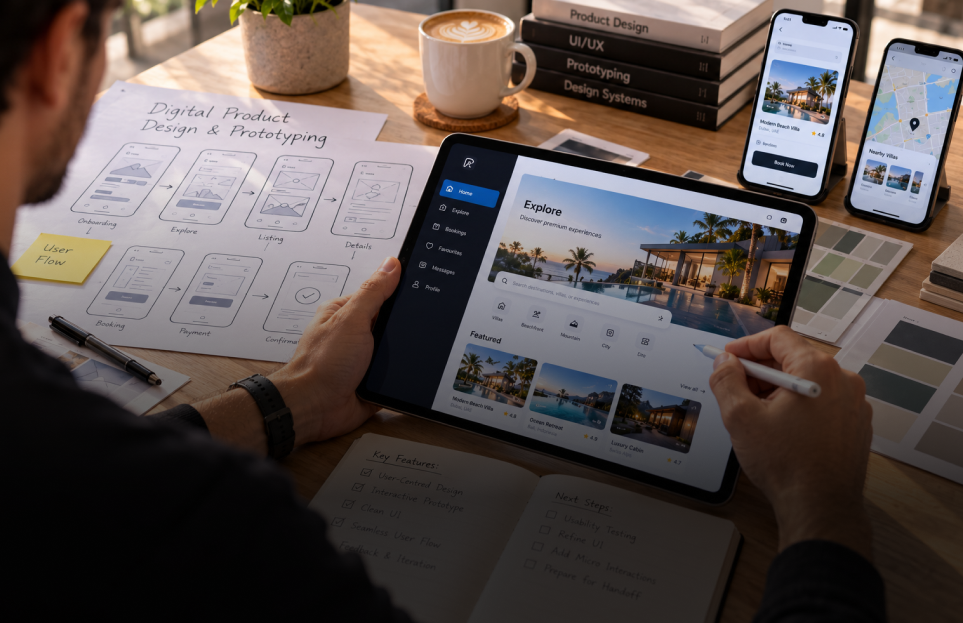
Digital Product Design & Prototyping
Our product design and prototyping process connects user needs, product requirements, and interaction design. We transform ideas into practical prototypes that help teams validate features, communicate concepts, and make informed product decisions.
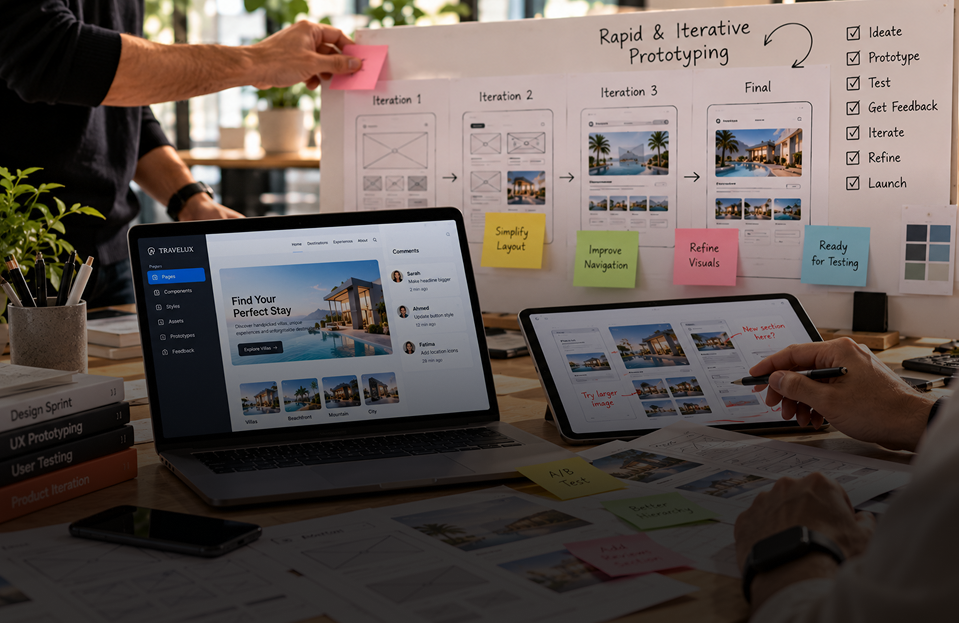
Rapid & Iterative Prototyping
We use iterative digital prototyping services to explore ideas, gather feedback, and improve designs through repeated testing. From design thinking rapid prototyping to design sprint prototyping, we help teams test promising directions quickly without overcommitting to an unvalidated concept.
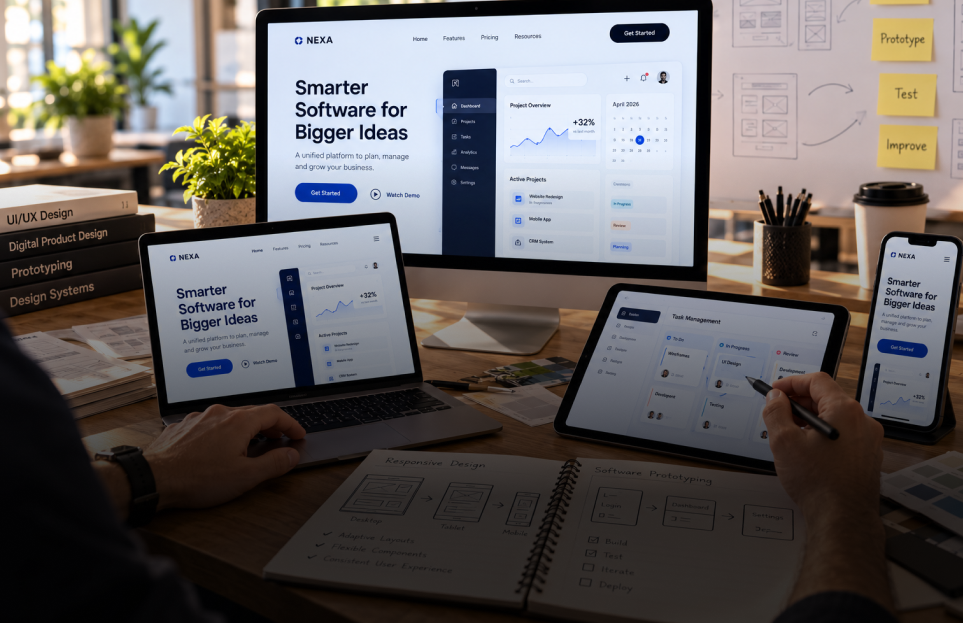
Responsive & Software Prototyping
We create responsive prototypes that demonstrate how digital experiences adapt across screen sizes and devices. For software products, we map complex workflows and interactions to clarify functionality, expose usability issues, and align stakeholders before implementation.
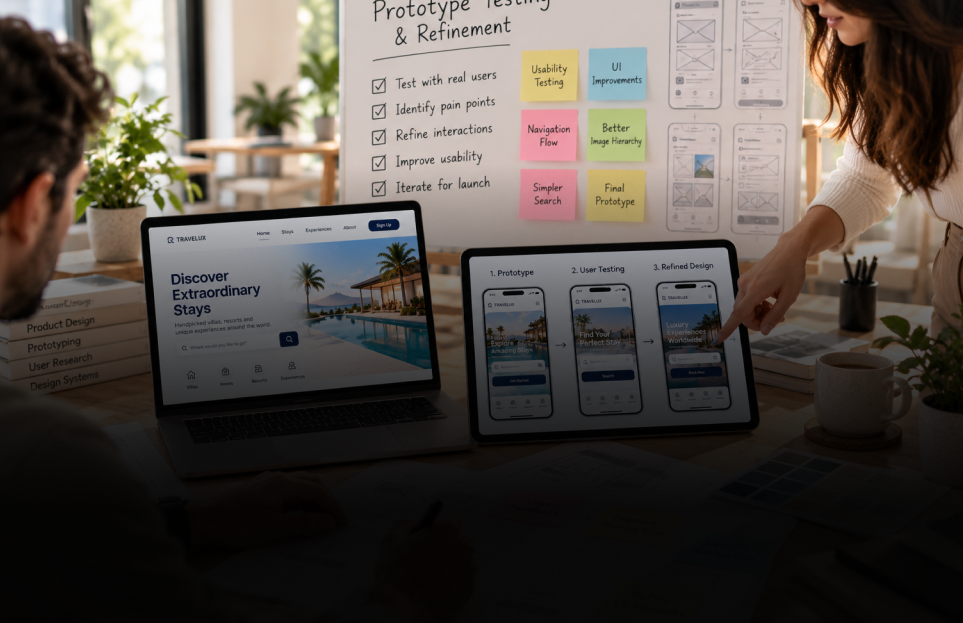
Prototype Testing & Refinement
We evaluate prototypes through structured feedback and usability testing, identifying confusing interactions, missing steps, and opportunities to simplify the experience. Each iteration helps refine the product concept before it moves into development.
Proof Beats Promises Every Single Time
Every completed project is a clear testament to our absolute commitment to excellence and our clients' ongoing business success.
Every completed project is a clear testament to our absolute commitment to excellence and our clients' ongoing business success.
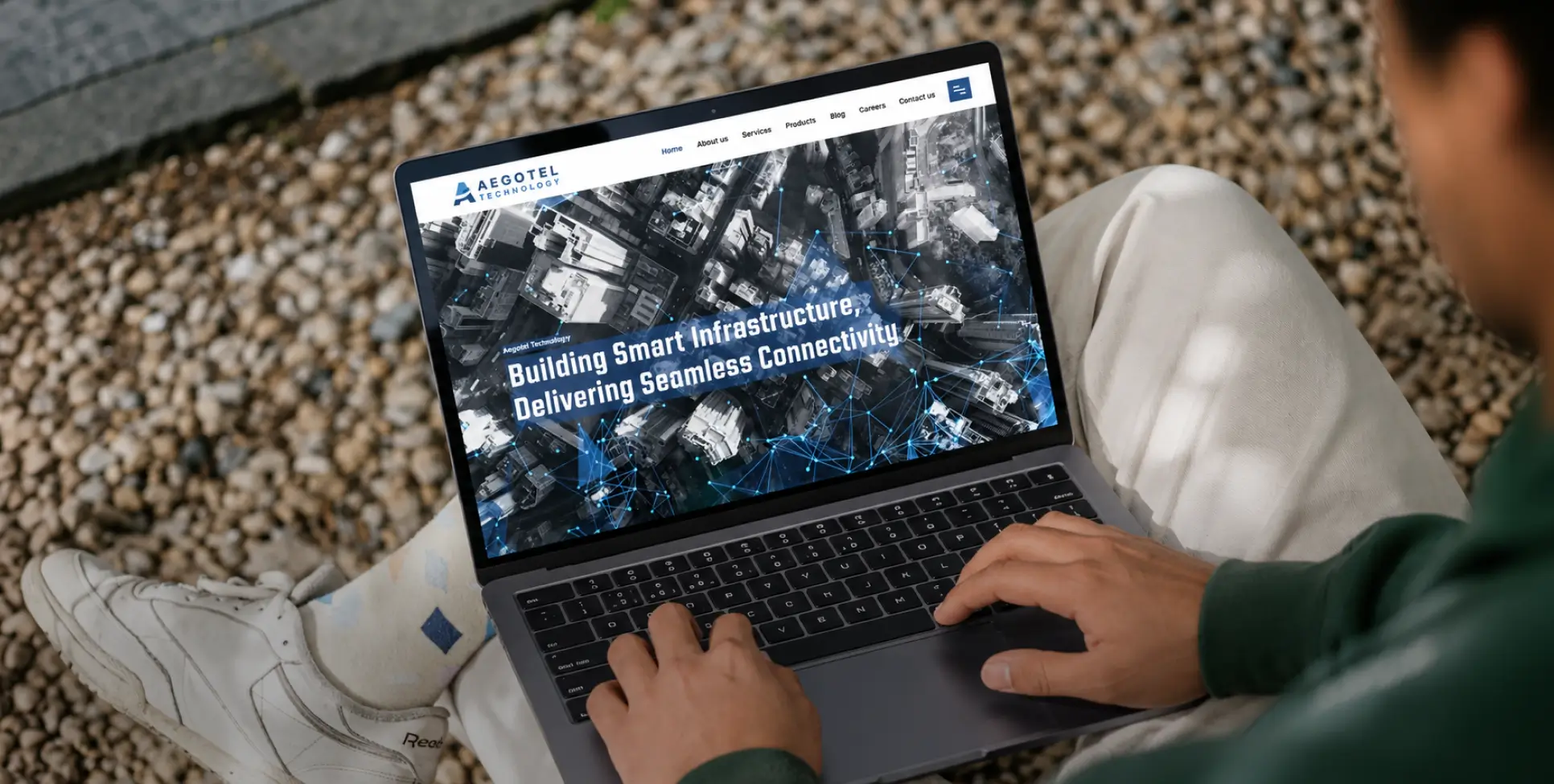
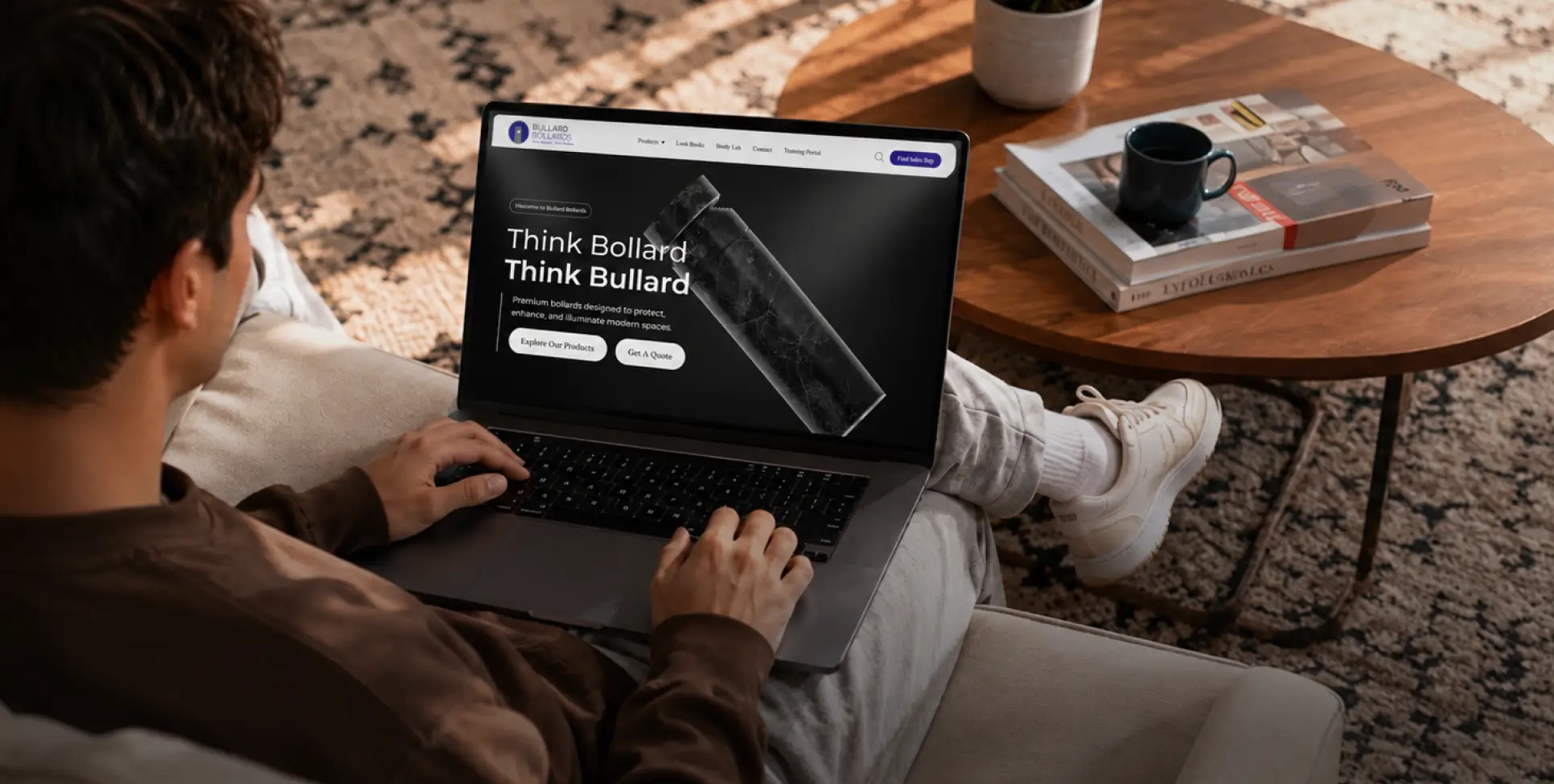
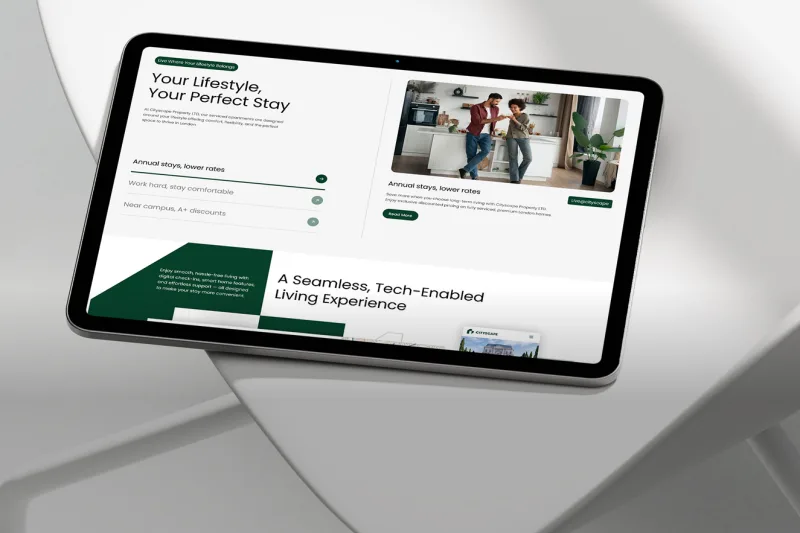
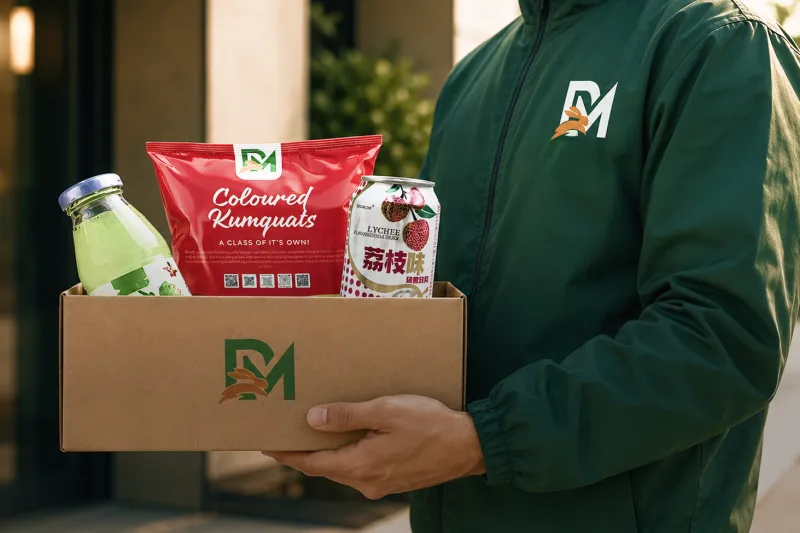
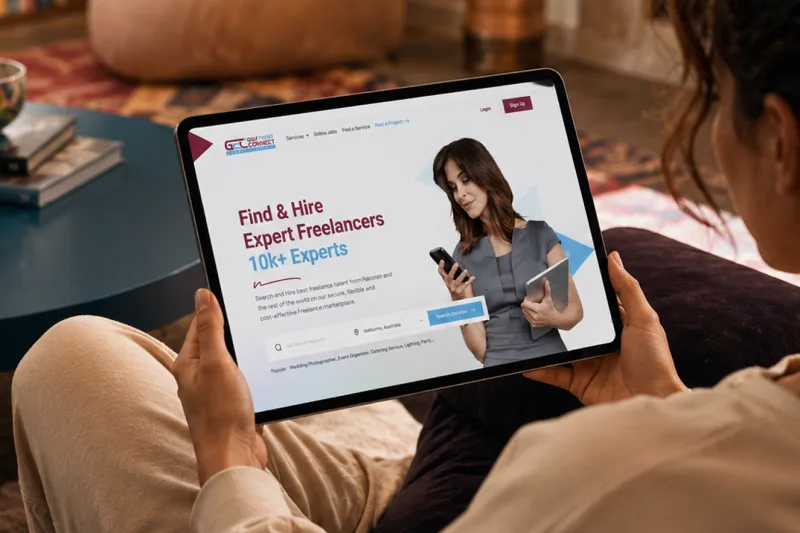
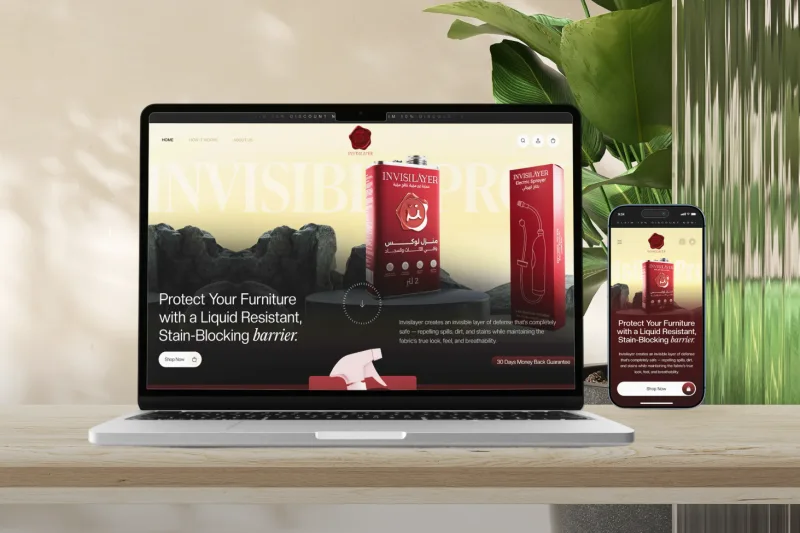
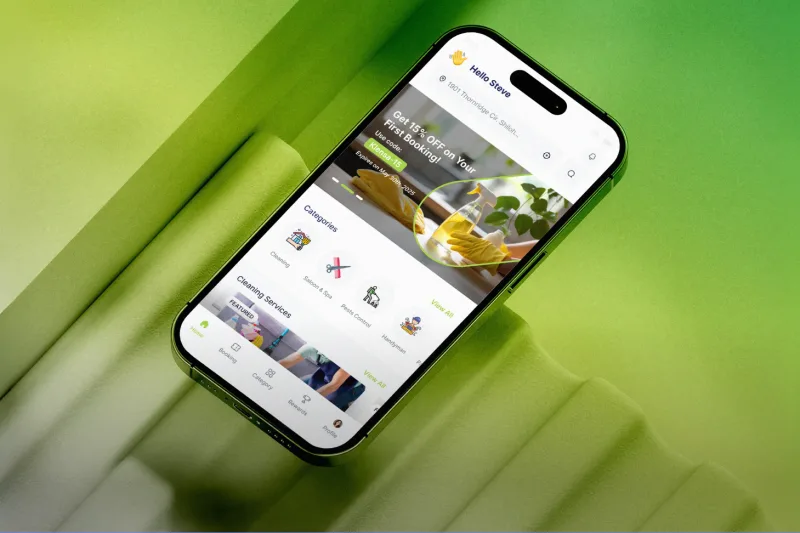
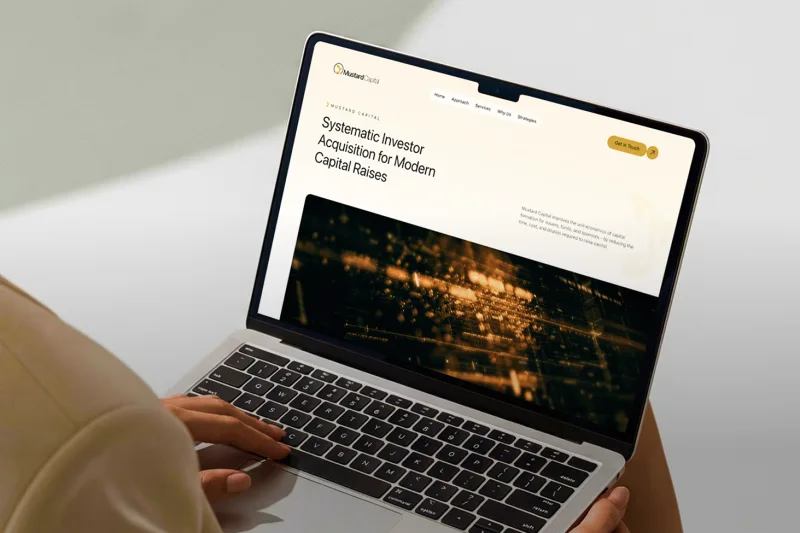

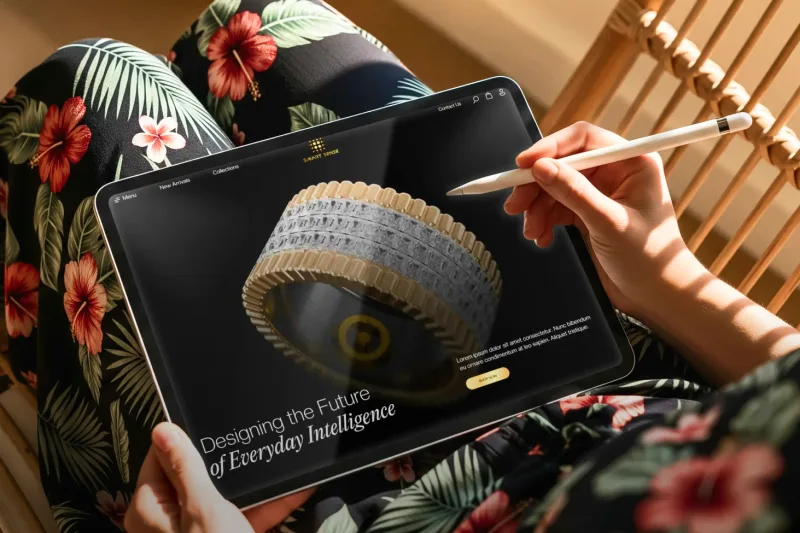
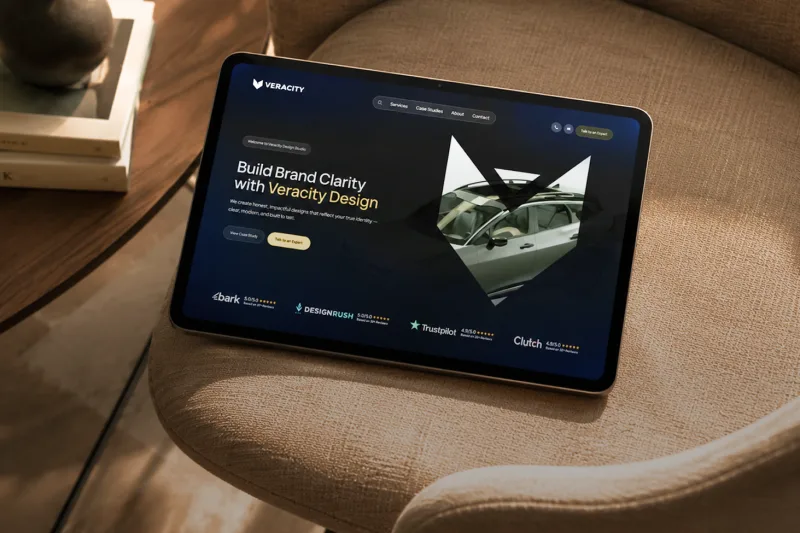
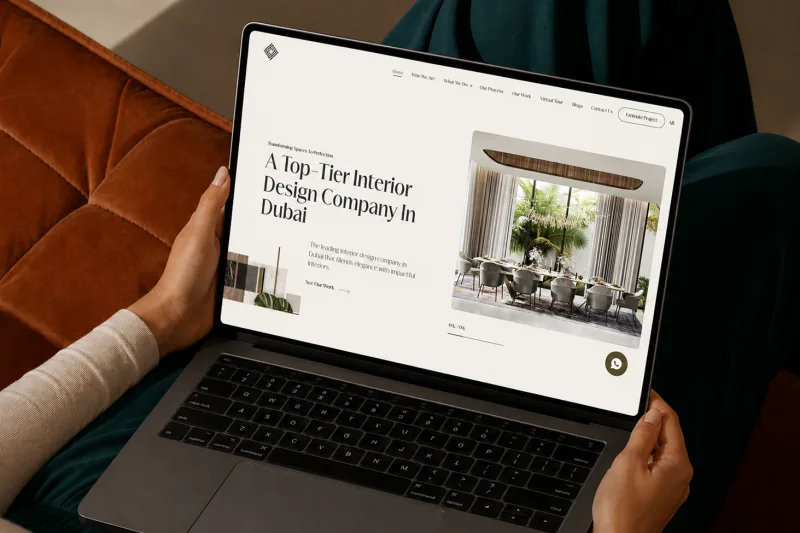
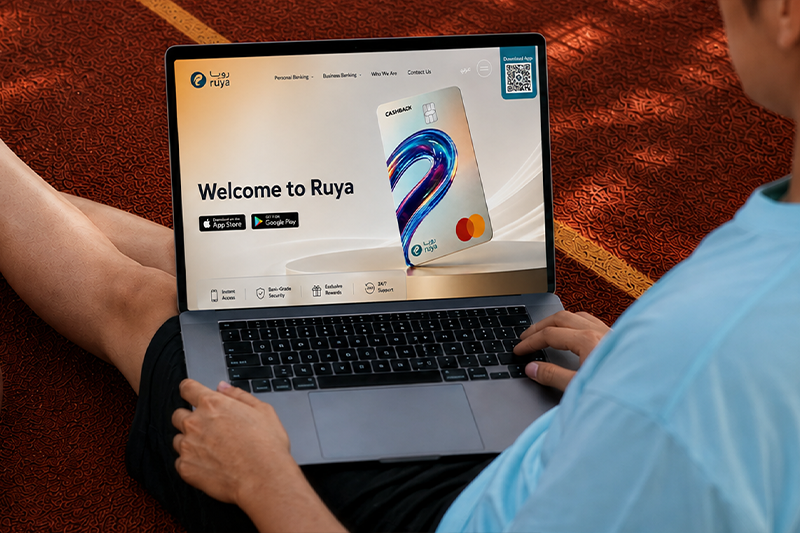
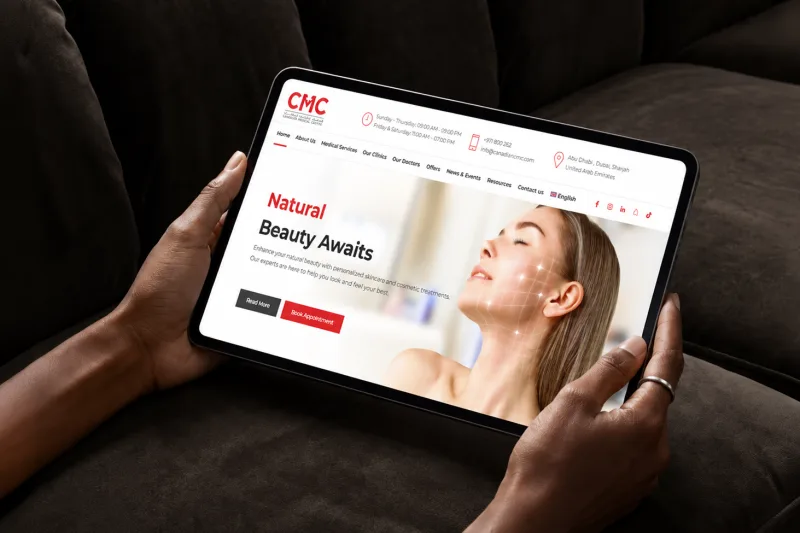


We let our track record do the talking. Discover how Prox Digital
Agency drives transformative growth for global brands.


Validate Ideas Faster, Reduce Risk, and Build With Greater Confidence
Test Ideas Before You Build
Prototypes let you test concepts and user journeys before writing code. Early feedback reveals flawed assumptions and clarifies what’s worth building.
Book a Free Strategy Call
Find Friction Before It Costs More
Catch usability issues, bad flows, and confusing navigation while changes are fast and cheap, not after expensive engineering cycles.
Book a Free Strategy Call
Align Teams Around A Clear Vision
Turn abstract ideas into interactive models everyone can try. Give designers, developers, and stakeholders a single source of truth to make faster decisions.
Book a Free Strategy Call
Move From Concept To Development Faster
Define behaviors, flows, and edge cases upfront. Developers get a clear blueprint, cutting ambiguity and speeding up handoff.
Book a Free Strategy Call

Prototypes let you test concepts and user journeys before writing code. Early feedback reveals flawed assumptions and clarifies what’s worth building.
Catch usability issues, bad flows, and confusing navigation while changes are fast and cheap, not after expensive engineering cycles.
Turn abstract ideas into interactive models everyone can try. Give designers, developers, and stakeholders a single source of truth to make faster decisions.
Define behaviors, flows, and edge cases upfront. Developers get a clear blueprint, cutting ambiguity and speeding up handoff.
Proof Beats Promises
Every Single Time
Join The Growth Journey Of 500+ Brands









[Services Map]
Frequently
Asked Questions
We’ve heard it all. Here’s everything you need to know before working with us.

Prototyping is the process of creating an early representation of a website, application, or digital product to explore how it looks, works, and feels. A prototype can range from a simple paper sketch to an interactive digital experience. It helps teams evaluate ideas, test user journeys, and refine designs before development.
Rapid prototyping is an approach that turns ideas into testable models quickly so teams can gather feedback and improve them through short iterations. In digital product design, this might involve building a clickable prototype in Figma, testing a key user flow, and refining the design before moving into development.
In UX design, prototyping means creating a representation of a proposed user experience to explore how people will interact with a product. It helps teams test navigation, screen layouts, interactions, and task completion before investing in a fully developed solution.
Wireframing focuses on the structure of a screen or page, showing how content, navigation, and interface elements are arranged. Prototyping goes a step further by demonstrating how those elements work together. Depending on the project, a prototype may be a simple wireframe or a highly interactive representation of the finished product.
Common rapid prototyping methods include paper sketches, low-fidelity wireframes, clickable digital prototypes, and high-fidelity interactive models. Teams may also use design sprints to explore several concepts in a short period. The right method depends on what needs to be validated, the available time, and the complexity of the product.
Examples include testing a new app onboarding flow with clickable screens, exploring alternative checkout journeys for an e-commerce website, and simulating a dashboard before development. Teams can also create paper prototypes to evaluate navigation or use interactive models to test how users discover and use a new feature.
UX designers use prototyping software to create and test digital experiences. Figma is commonly used for interactive interface prototypes, while other design and collaboration tools can support wireframing, workshops, and feedback collection. The best tool depends on the project's complexity, team workflow, and level of interactivity required.
The right UI prototyping tools depend on the experience you want to test. Figma supports interactive screen designs and reusable components, while tools such as FigJam and Miro help teams map user journeys and explore early concepts. Tool selection should follow the project's needs rather than dictate the design process.
AI can help teams explore early concepts, generate design variations, summarise feedback, and accelerate selected prototyping tasks. AI prototyping can be useful for testing ideas quickly, but the resulting concepts still need human review, user validation, and refinement to ensure they solve real problems and work as intended.
Prototyping helps teams identify usability issues, unclear requirements, and weak assumptions before development begins. Testing an idea early makes it easier to compare alternatives, gather stakeholder feedback, and refine important interactions. This can reduce avoidable rework and improve confidence in product decisions, although it cannot eliminate every development risk.
Low-fidelity prototypes use simple layouts and basic interactions to explore structure, functionality, and user flows. On the contrary, high-fidelity prototypes more closely resemble the intended product, with refined visual design and realistic interactions. Teams often begin with low-fidelity concepts and increase detail as ideas are validated.
The timeline depends on the product's complexity, the number of user journeys, the required level of detail, and the amount of testing involved. A simple prototype may take a few days, while a complex digital product can require several rounds of design and validation. Defining the key questions upfront helps keep the process focused.
Yes. Our digital prototyping services cover websites, mobile applications, and software products. We adapt the prototype's structure, interactions, and level of detail to the product's requirements, helping teams validate important user journeys and clarify functionality before development.
Once the prototype has been reviewed and validated, the next step is to finalise the relevant designs, document interaction behaviour, and prepare the necessary handoff materials for development. Depending on the project, the approved prototype can inform detailed UI design, technical planning, and implementation.
The cost depends on how many user journeys and screens need prototyping, the level of fidelity, and how many rounds of user testing you need. A focused prototype of your most important flows costs far less than building and then rebuilding a product. We confirm the scope and price after a free prototype review.
A prototype is a clickable simulation of your product, built without production code, to test the idea, the user journey and the usability. An MVP (minimum viable product) is a working first version with core features that real customers can use. Many clients prototype first, then move to MVP development once the concept is validated.
No. Our prototyping services are digital: websites, mobile apps, SaaS platforms and software products. If you need a physical prototype, such as a 3D-printed or machined part, a product design or manufacturing specialist is the right partner.
You get one team from first prototype to final build, so the experience your users tested is the one that gets developed. Our designers and developers review prototypes together, which keeps designs realistic to build. See our product design work for Gulf Event Connect, Klensa and Cityscape.
[Let’s Talk]
If you’re looking for a global growth agency that understands growth, execution, and accountability, you’re in the right place.